



















7 Common Signs That Your Bearings Need Replacement
Learn the 7 common signs that your bearings need replacement and how early detection helps prevent downtime in recycling and industrial machinery. A practical guide for maintenance and operations teams.

Almost every type of machine used in industry, from heavy duty equipment for Recycling Machinery to conveyor systems in Manufacturing Plants, contain bearings. Although generally built using high-quality materials, bearings are subject to failure as a result of the stress placed on the bearing by the operation of the machine, along with the potential for contamination and lack of proper maintenance. Early identification of bearing failure allows industry to minimize its downtime due to lost work and repairs, and to maximize its efficiency by maintaining better operational performance.
This article contains a discussion of 7 common indicators that indicate when a bearing(s) should be replaced, and includes practical examples of where these failures can occur, including in various Industries, such as Recycling Machinery, along with recommendations about the value to the users of the types of products and services that can be obtained by working with a supplier and/or distributor.
1. Unusual Noise or Vibrations
The best-known and therefore, the most commonly recognised indicator of bearing wear is abnormal noise. Well-functioning bearings run very quietly, whereas damaged or worn bearings generally cause a variety of noises such as grinding, squealing and knocking.
The machinery used in recycling (e.g., metal shredders and granulators) often has uneven vibration patterns generated by contaminated bearings that cause strange vibrations due to irregular wear/contaminants affecting the rolling contact surfaces. Equipment exposed to these types of vibrations will generally exhibit accelerated wear on its parts (i.e., shaft, housing, etc.) as a direct result of these frequency fluctuations.
Through the regular monitoring of bearing performance using vibration testing and acoustic analysis, one can effectively identify which bearings need to be replaced immediately to maintain optimal operation of the machine. Working with a reputable distributor/dealer for your bearing needs will also expedite the acquisition of replacement parts, thereby minimizing the amount of down time for the machine.
2. Excessive Heat or Temperature Fluctuations
Bearings are built to be used in a defined range of temperatures. Suddenly increased temperatures indicate potential failure in lubrication, misalignment, or wear internally. In the case of recycling equipment, operating continually under high load creates additional heat, which leads to lubricant failure and wear acceleration.
When operating recycling equipment, operators should check the temperature of the bearing housing using either an infrared thermometer or thermal imaging. Bearings found to be consistently running too hot should be replaced immediately to avoid damaging other components. Manufacturers of bearings that are tested and rated for high temperatures may assist operators with the selection of those bearings best suited for those situations so that they avoid having the same failure occur over and over again.
3. Visible Wear, Corrosion, or Discoloration
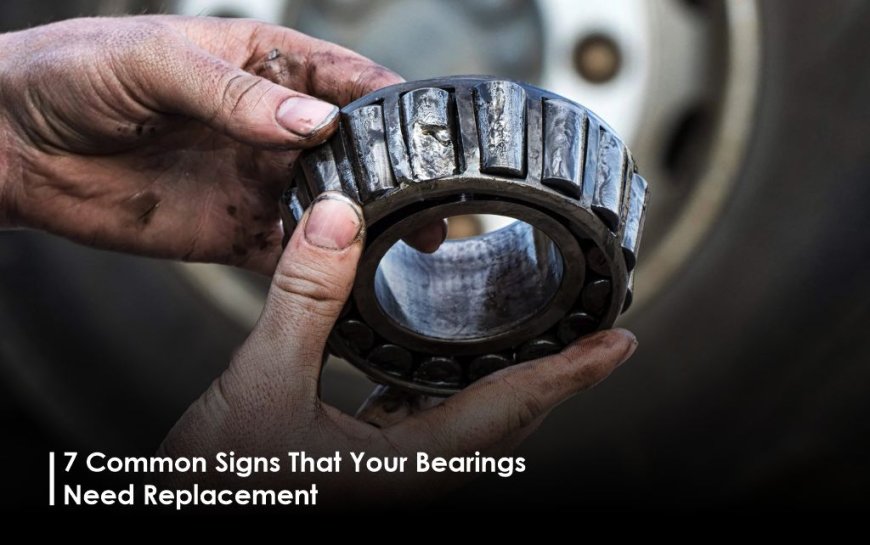
The physical inspection of bearings is an excellent way to identify early warning signs of damage. Discoloration, pitting, cracking, and corrosion are all signs of deterioration that can be found on the surfaces of bearings. In the recycling industry, moisture, metal shavings, and chemicals can significantly increase the rate of surface deterioration.
Visible wear or discoloration of any part of a bearing is usually indicative of either a breakdown in lubrication or some form of metallurgical failure (metal fatigue). Continuing to operate a machine with any form of visible deterioration will result in catastrophic failure at some point. Machines that use bearings sourced from reputable bearing importers have the benefit of being manufactured under strict quality control standards; therefore, there is less chance of future recurring problems due to quality issues.
4. Lubrication Issues
Adequate lubrication ensures smooth function of bearings. Bearings that are either Under or Over Lubricated, Contaminated Lubricant will cause premature failure of the bearing assembly. The lubricants used in bearings in industrial recycling applications may also be contaminated with dust and particles, which decreases the effectiveness of the lubricant.
There are a few indicators that indicate there may be a problem with the lubricant, including noise, excess heat, and non-uniform motion. Regular Maintenance with Checks for Proper Lubrication Help Extend the Life of a Bearing Assembly. Distributors and Dealers of Bearings Will Assist in Determining What Type of Lubricant is Appropriate for a Specific Application and How Often to Change the Lubricant.
5. Increased Operational Resistance
A healthy bearing turns with ease and little friction. Should the machinery need more torque to run or the moving belts and shredders machines be slower than normal, the bearings could be going bad.
In recycling plants, this rising friction can pose potential threats to productivity and energy efficiency in recyclers. Early detection enables maintenance personnel to replace bearings prior to an escalation of situation. Teamwork with an expert bearing supplier enables specification of an appropriate type of bearing in relation to loads, speed, and conditions.
6. Misalignment or Shaft Movement
Misalignment happens when rolling bearings (or “bearings”) do not line up correctly with the shaft or the housing. The most visible signs of a misaligned bearing are the creation of uneven wear on the bearing surface, vibrations and/or abnormal sounds. In recycling equipment, misalignment usually arises because of mechanical shocks, improper installation techniques, and/or damage to supporting structures.
When a bearing misalignment occurs it will cause damage to the bearing and have an impact on all parts connected to it such as gears, shafts, motors, etc. Detecting misalignment early can prevent catastrophic breakdowns from occurring and is done primarily through performing proper alignment checks and conducting visual inspections. A quality bearing importer will be able to give guidance on the proper installation techniques needed for precision bearings as well as give recommendations for reducing the risk of misalignment.
7. Reduced Performance or Intermittent Failure
When overall equipment performance has deteriorated significantly and you notice a marked decrease in production volume and frequency of mechanical failures and stoppages (ability to produce) associated with the recycling process, this is a sign that your bearings require replacement.
Internal failure of bearing components or material fatigue can produce intermittent failures that lead to production bottlenecks: by monitoring and documenting equipment performance trends over time, you will have the ability to identify failing bearings before they cause major problems, thus allowing you to order new replacement bearings from an established bearing supplier in order to maintain seamless operations and avoid disruption of service to your customers during this period of time.
Practical Insights for Industrial Maintenance
Industrial operators, especially in recycling and heavy machinery sectors, often underestimate the importance of proactive bearing management. Observing the above signs and taking timely action can prevent catastrophic failures, reduce repair costs, and extend equipment life.
Key maintenance practices include:
-
Establishing scheduled examinations for temperature, vibration, and lubrication of the bearings.
-
Having a reserve of essential bearings either from a manufacturer or a distributor/wholesaler
-
Partnering with your dealer or distributor for expert advice on the correct installation of the bearing and advice on maintaining the bearing
-
Utilizing condition-monitoring devices to monitor the health of bearings through thermal imaging and vibration analysis
Conclusion
The bearings in industrial machines cause unsung smoothness when they allow the machine to work its best, supporting heavy equipment loads, so recognizing that there are seven common symptoms of failing bearings, including noise, temperature, lubrication and progressively declining performance, allows industry to respond to minor concerns before they become significant failures.
Partnering with dependable bearing importers, distributors and suppliers provides quality parts, professional guidance and timely replacement of components. In addition, proper proactive management of bearings in recycling machinery and other industrial applications will result in improved operational efficiency, improved worker safety and reduced long-term operating costs.